
Integra® skin substitutes · 4 types
Integra® Dermal Matrices
Integra offers a portfolio of engineered collagen products, such as Integra Dermal Regeneration Template and Integra Bilayer Wound Matrix.
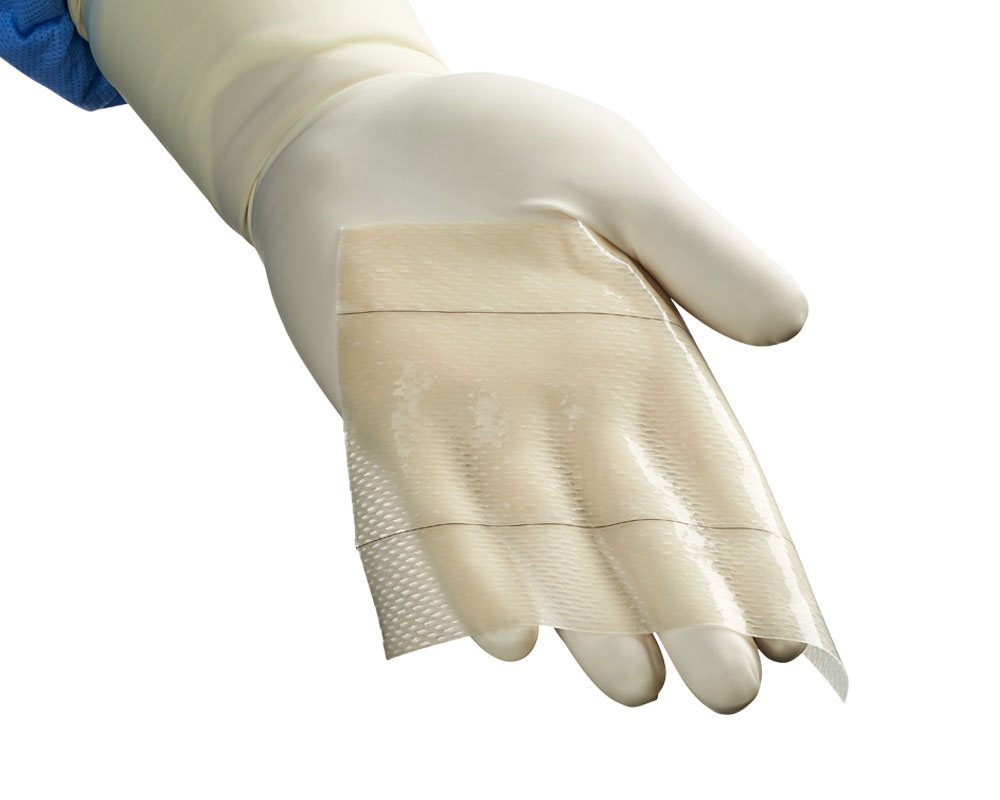 Type 1Integra® Dermal Regeneration TemplateBilayer skin substitute proven to regenerate dermis.
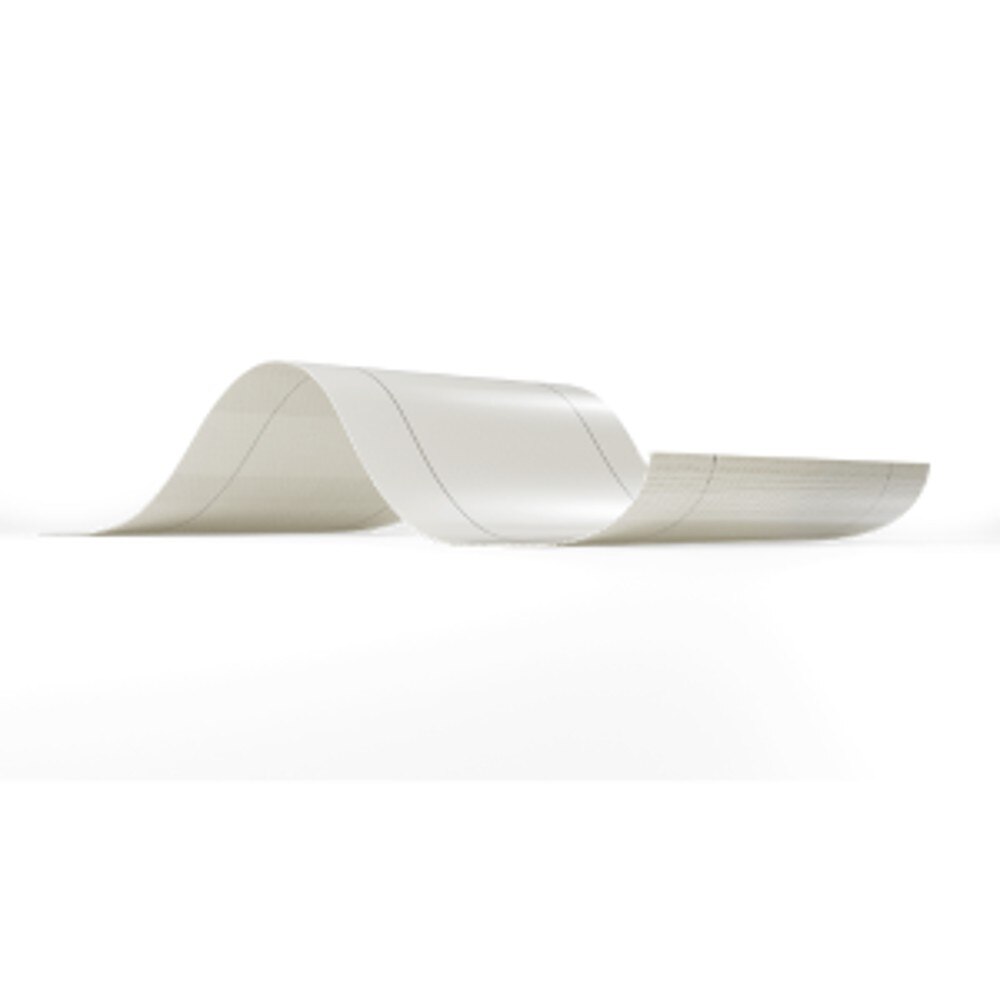 Type 2Integra® Bilayer Matrix Wound DressingBilayer skin substitute, solid or meshed.
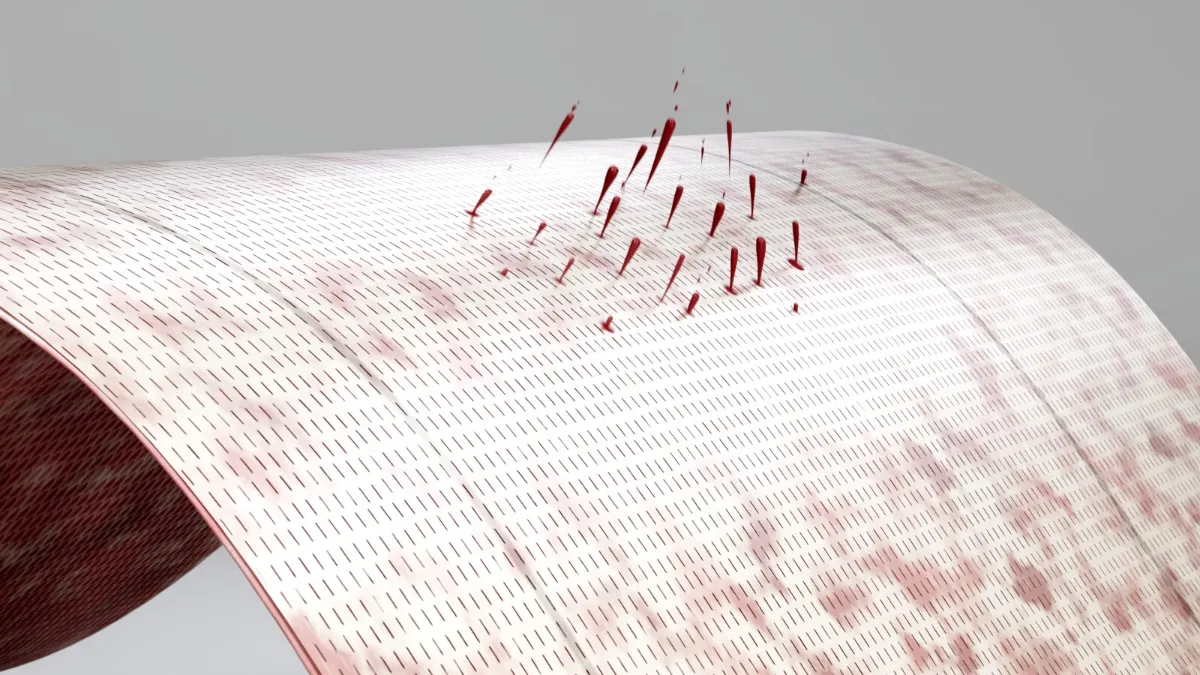 Type 3Integra® Meshed Bilayer Wound MatrixDesigned for use with NPWT.
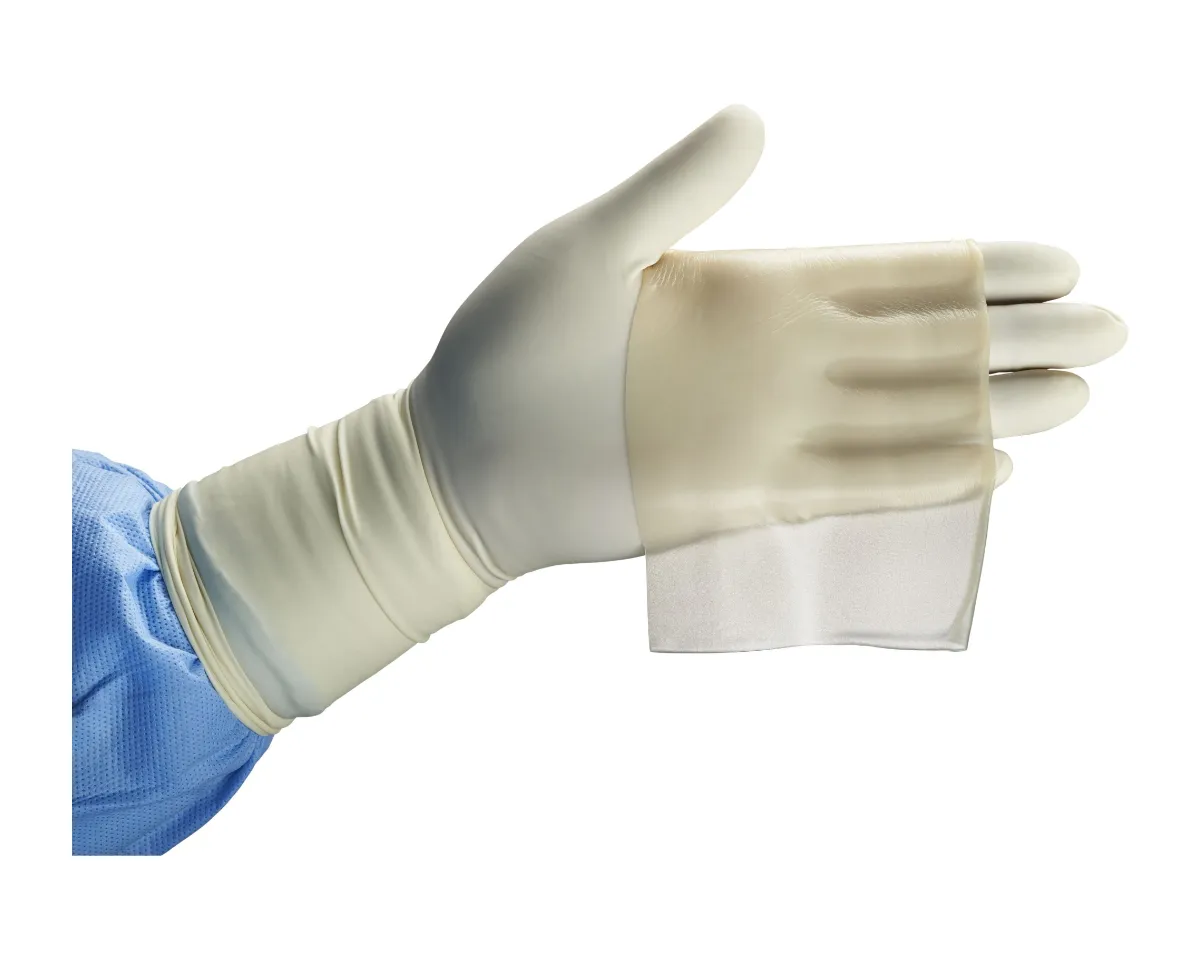 Type 4Integra® Wound MatrixSingle-layer, two thickness options.
Every product on this page is built on the same Integra collagen–chondroitin-6-sulphate technology.
Ultra-pure Type I collagen with chondroitin-6-sulphate work together to provide a biocompatible structure with minimal inflammatory response to ensure formation of functional neodermis.2,3
Bioengineered with optimised pore size and structure within the matrix, resulting in cellular infiltration, vascular ingrowth and reduced contracture.3,4
The 3D matrix is resorbed while new tissue is being formed, resulting in neodermis. The remaining tissue is composed of the patient’s own cells and proteins.4
Integra’s controlled pore size and structure due to its bioengineered design offers a tighter distribution and optimised size for cellular migration and proliferation.16
Cells and blood components prefer hydrophilic materials for attachment and infiltration. Integra offers a high hydrophilic structure which may allow for blood and cellular hydration of the matrix.17
High bending and conformability allow for improved intimate contact with complex wound beds and structures, and a reduced risk of graft tenting or lifting.
Integra® skin substitute · Type 1 of 4
Integra Dermal Regeneration Template (DRT) is the first and only FDA-approved skin substitute for the treatment of third degree burns and scar contracture proven to regenerate dermis.
Integra’s exclusive bilayer technology offers a novel bioengineered collagen and chondroitin-6-sulphate matrix combined with a protective silicone outer layer.
This unique two-layer skin regeneration product offers controlled pore size, porosity and degradation rate allowing for cellular infiltration, neovascularisation, and dermal regeneration while the semi-permeable silicone layer provides epidermal-like protection and moisture control.
Available in both solid and meshed configurations.
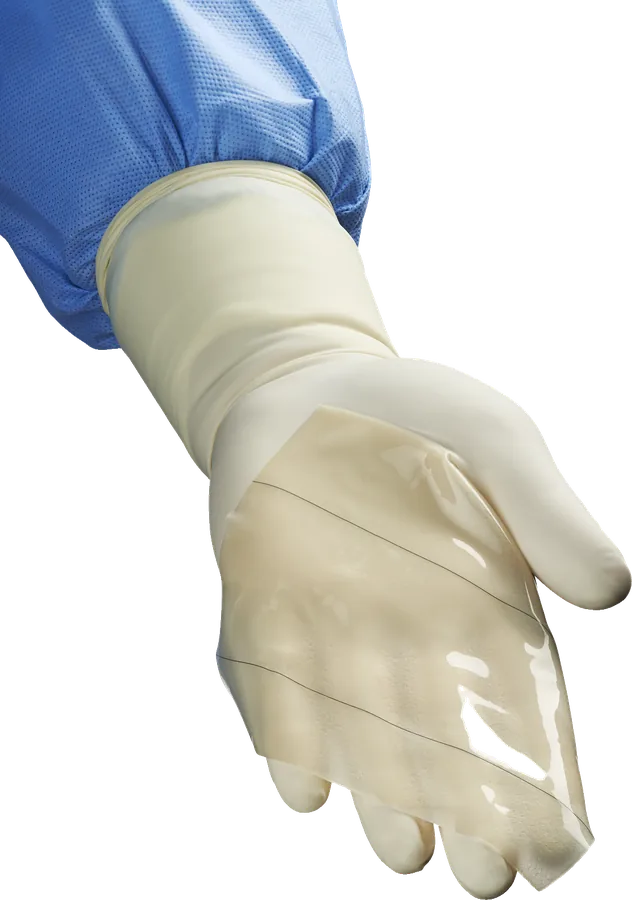
Integra® skin substitute · Type 2 of 4
Integra® Bilayer Wound Matrix (BWM) is a bilayer (two-layer) skin substitute.
The outer layer is made of a thin silicone that acts as the skin’s epidermis. The semi-permeable silicone is designed to help to control water vapour loss, provide a flexible adherent covering for the wound surface and add increased tear strength.
The inner layer is constructed of a complex matrix of cross-linked fibres. This novel ultra-pure bovine collagen and chondroitin-6-sulphate matrix was specifically engineered with optimised pore size, porosity, and structure to allow for cells to infiltrate, proliferate, and aid in the healing process.
Available in both solid and meshed configurations.
Integra® skin substitute · Type 3 of 4
Integra® Meshed Bilayer Wound Matrix was specifically designed to be used in conjunction with Negative Pressure Wound Therapy (NPWT).
The meshed bilayer allows drainage of wound exudate and provides a flexible adherent covering for the wound surface.
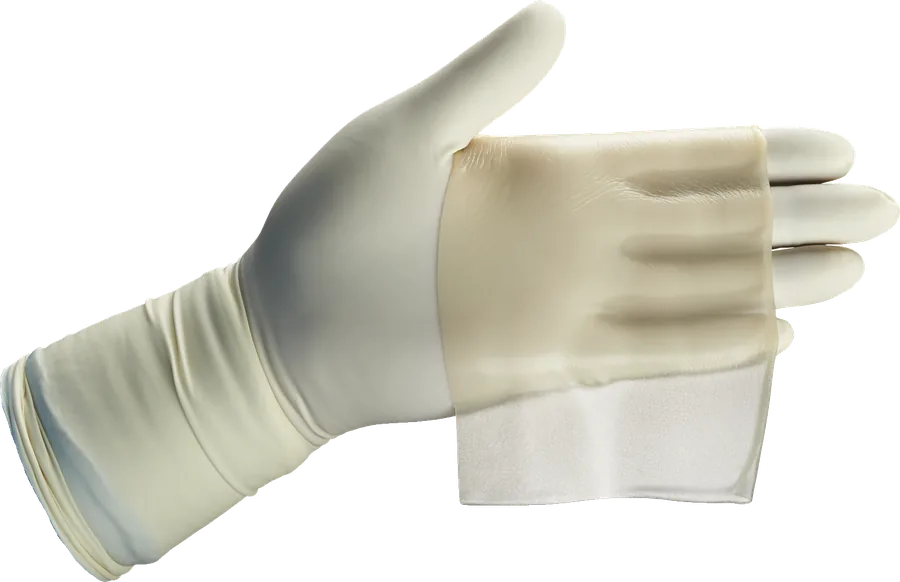
Integra® skin substitute · Type 4 of 4
Integra® Wound Matrix is a single-layer skin substitute composed of a complex matrix of cross-linked fibres. This novel ultra-pure bovine collagen and chondroitin-6-sulphate matrix was specifically engineered with optimised pore size, porosity, and structure to allow for cells to infiltrate, proliferate, and aid in the healing process.
Integra Wound Matrix was designed to support the healing environment in complex wound care with two available thickness options to provide coverage over wounds, exposed bone, tendon, cartilage and joints.
One unit per box. Contact QMed to confirm UK and Ireland availability.
| Size | DRT | Meshed DRT | Bilayer Wound Matrix | Meshed Bilayer Wound Matrix | Wound Matrix 0.8 mm | Wound Matrix Thin 0.4 mm |
|---|---|---|---|---|---|---|
| 5 × 5 cm (2 × 2 in) | 32021 | MDRT2021 | BMW2021 | MWM2021 | 52021 | 52021T |
| 10 × 12.5 cm (4 × 5 in) | 34051 | MDRT4051 | BMW4051 | MWM4051 | 54051 | 54051T |
| 10 × 25 cm (4 × 10 in) | 34101 | MDRT4101 | BMW4101 | MWM4101 | 54101 | 54101T |
| 20 × 25 cm (8 × 10 in) | 38101 | MDRT8101 | BMW8101 | MWM8101 | 58101 | – |
DRT is also available as a single layer (62021, 64051, 64101, 68101) and single layer thin (62021T, 64051T, 64101T, 68101T).
post-excisional treatment of life-threatening full-thickness or deep partial-thickness thermal injuries where sufficient autograft is not available or not desirable, and repair of scar contractures where other therapies have failed. Contraindicated in patients with known hypersensitivity to bovine collagen or chondroitin materials, and should not be used on clinically diagnosed infected wounds.
indicated for the management of wounds including: partial and full-thickness wounds, pressure ulcers, venous ulcers, diabetic ulcers, chronic vascular ulcers, surgical wounds (donor sites/grafts, post-Mohs surgery, post-laser surgery, podiatric, wound dehiscence), trauma wounds (abrasions, lacerations, second-degree burns and skin tears) and draining wounds. The device is intended for one-time use. Not for use in patients with known sensitivity to bovine collagen or chondroitin materials, or in third-degree burns.
indicated for the management of wounds including: partial and full-thickness wounds, pressure ulcers, venous ulcers, diabetic ulcers, chronic vascular ulcers, tunnelled/undermined wounds, surgical wounds (donor sites/grafts, post-Mohs surgery, post-laser surgery, podiatric, wound dehiscence), trauma wounds (abrasions, lacerations, second-degree burns, skin tears) and draining wounds. The device is intended for one-time use.
Contraindications (Integra® Wound Matrix): this device should not be used in patients with known sensitivity to bovine collagen or chondroitin materials. The device is not indicated for use in third degree burns.
Indications vary by product and region. Always refer to the current IFU.


 ©2026 Q Medical UK Medical Distributors |
Privacy Notice |
Enviromental Impact |
Environmental Policy |
Modern slavery |
Equality & diversity |
Carbon Reduction |
Supplier ethics |
Vacancies